Member Article
Great Green Bedwyn & Southern Streams
Celebration of positive nature & farming trends in the past 5 years
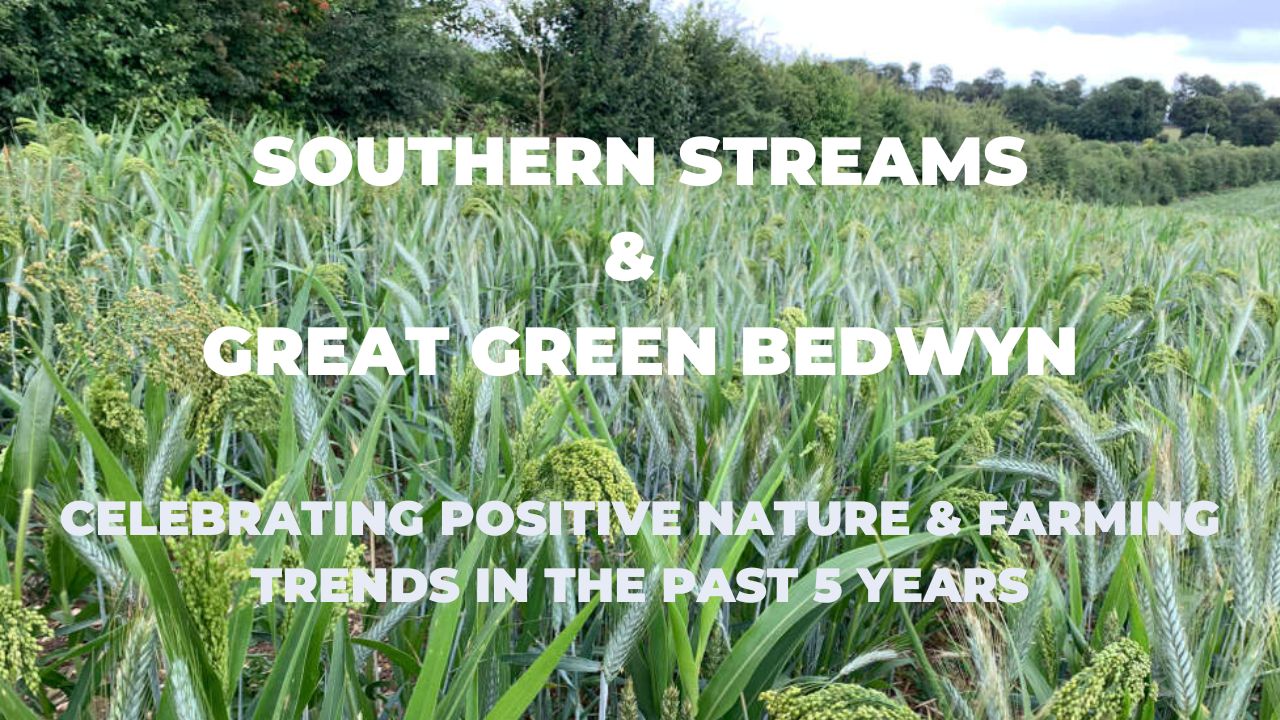



On a cold wet January night, over 60 people came to hear about local farming and wildlife conservation. Both Southern Streams Farmers & Great Green Bedwyn celebrated 5 years since their starts in 2021 in a fifth joint evening meeting and home made cakes were enjoyed by all. Three excellent speakers described bird conservation projects, local farming history and recent farming changes. Andrew Blake brought along his father’s fascinating butterfly collection from the 1940s and Rob Vines brought a wide range of historical farming artefacts to illustrate how farming has changed over the centuries since the Iron Age.
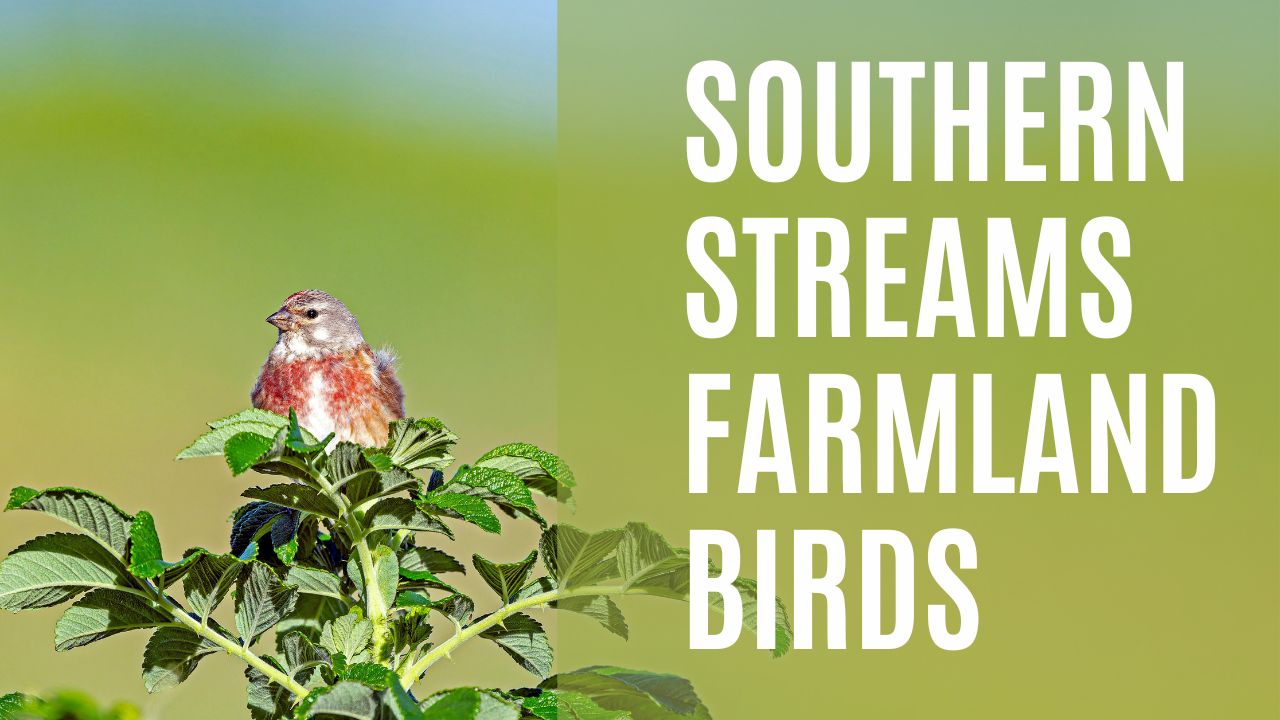
Jonny Cooper (Wiltshire Wildlife Trust & Biological Records Centre) described successful farmland bird projects, motivated by a 60% decline in farmland birds since the 1970s. He focussed on lapwings and red listed farmland species, eg. corn bunting, yellowhammer and linnets, recording over 7000 birds from 55 species on 40 sites. Lapwings are now slowly recovering with 55 local breeding pairs and 110 across Wiltshire. A big issue for ground nesting lapwings is disturbance by walkers and off-lead dogs, so we need to keep off wild bird seed strips. We can also help monitor bird numbers by sending sightings using the iRecord or eBird app – this information is collated and used by Wiltshire biological records centre.
Rob Vines (farmer) has lived in Crofton for more than 60 years and has seen significant farming changes, including the impact of the move to industrial farming after the war. This forced farmers to use synthetic fertilisers to maximise food production. Currently farming for nature recovery and Biodiversity Net Gain (BNG) and growing crops for energy are reducing home grown UK food. More clarity and stability about the future would help farming.
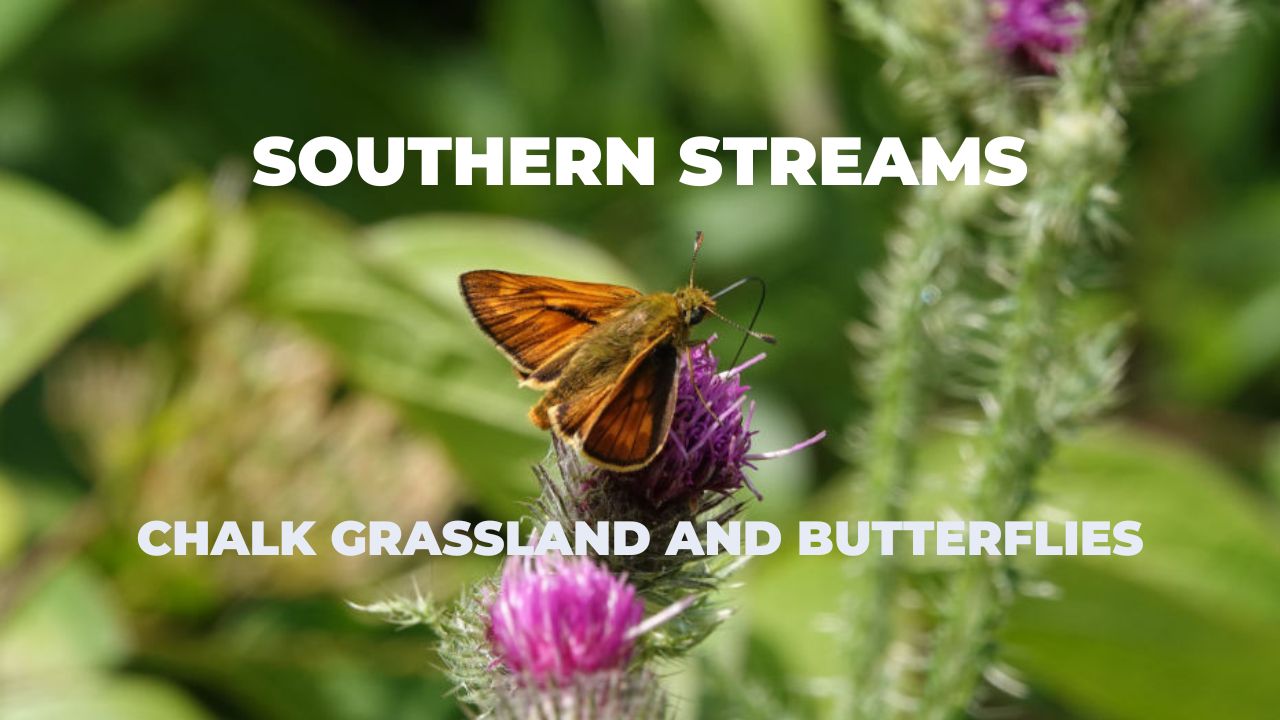
Belinda Bown (FWAG Adviser & Southern Streams facilitator) discussed the achievements of the Southern Streams farming group, to support nature recovery. It was founded in 2019 and covers 31 farms and12,000 hectares – about 74% arable, 12% dairy, 13% woodland and 1% water & chalk downs. As well focusing on soil and worm restoration, our regenerative farmers have put up bird boxes and planted wild bird seed strips to support overwintering birds. They support chalkland restoration for the Duke of Burgundy butterfly, planted 280 disease-resistant elms for the White Letter Hairstreak butterfly as well as replanting hedgerows, improving ditches and restoring 25 hectares of ponds and lakes. The results are encouraging with 41 species of birds, 17 varieties of butterflies and 18 other species recorded locally.
It was very heartening to hear positive news about local nature recovery with examples of the excellent conservation and monitoring work being done across Southern Streams and around Great Bedwyn. It also explained what we, as walkers and dog owners, can do to help record and support rare species.
Explore Other Articles